Grief Care

The loss of a loved one – even an expected loss – can be overwhelming. It is important to know that grief is a natural response to the loss of someone dear to us, and all of us will experience it at some time. While there are commonalities in grief, each person copes in their own individual way.


Bluegrass Grief Care is a unique counseling service of Bluegrass Care Navigators. It’s our passion and purpose to support and guide you as you learn to live with loss - emotionally, spiritually and physically.

CONTACT US FOR HELP

Navigate through the journey of grief with Bluegrass Grief Care.


Helping you through the grieving process.

Bluegrass Grief Care is for anyone in the community who has experienced the loss of a loved one. Whether it is anticipatory grief, or learning to cope with a loss, our trained and caring staff is available to help surviving family and friends cope with their grief after the death of their loved one.

  • Support at every turn

    Here's a sampling of what Bluegrass Grief Care offers (not all programs are available in all locations):

    • Spouse/Partner Support Groups
    • Camps, Groups and Individual Support Services for Children and Families
    • Young Widowed Persons Support Groups
    • Mother-Loss/Father-Loss Groups
    • Traumatic, Sudden and Tragic Death Support Services 
    • School, Civic and Workplace Crisis Response
    • School, Civic and Workplace Bereavement Education
    • Individual Grief Counseling
    • Community-Based Grief Education
    • Support Groups
    • Holiday Programs
    • Bereavement Camps and Retreats for Children
  • When you’re grieving

    Bluegrass Grief Care staff and volunteers are specially trained to help those dealing with a loss. They offer the following suggestions:

    • Give yourself permission to grieve; don't try to "hurry" grief along.
    • Talk about your loss with family, friends and others you trust.
    • Expect confusion, including a combination of sadness, fear and other shifting emotions.
    • Realize that grief can come in waves and may be triggered by something unexpected – or nothing you can identify as a trigger.
    • Take care of your physical health; focus on exercise, eating healthy foods and sleeping well.
    • Honor the memory of your loved one by planting a tree, giving to charity, volunteering, helping others or enjoying an activity that your loved one enjoyed.

Discover how Bluegrass Grief Care can help you and your family. It's never too early to discuss how the expertise and compassion of Bluegrass Grief Care can help. Call us at 855.492.0812.

  • Grief Care is available in these counties.

    Barbourville:

    • Bell
    • Clay
    • Harlan
    • Knox
    • Laurel
    • Whitley 

    Cynthiana:

    • Bourbon
    • Harrison
    • Nicholas
    • Scott

    Frankfort:

    • Anderson
    • Franklin
    • Owen
    • Woodford

    Hazard:

    • Breathitt
    • Knott
    • Leslie
    • Letcher
    • Morgan
    • Perry
    • Wolfe

    Lexington:

    • Fayette
    • Jessamine

    Northern KY:

    • Boone
    • Campbell
    • Carroll
    • Gallatin
    • Grant
    • Kenton

    Pikeville:

    • Floyd
    • Magoffin
    • Pike
See Support Groups in your Area

Camp Hope

Camp Hope is for children and their caregivers who have experienced the death of a loved one in the last two years. Camp provides an opportunity for participants to express their grief and develop effective coping strategies in a fun, safe and supportive environment.

Register for Camp Hope

Bluegrass Care Navigator Grief Resources

Yellow twinkling lights hung on white background
November 11, 2026
As the holidays approach, the absence of a loved one reminds us that this season is not going to be the same as last year. It can be a time of mental worry about what the season may bring. This may be especially difficult when friends, and even family think, “ you should be over it by now .”
October 29, 2026
When families begin exploring hospice care, many questions may arise. Understanding the basics can help families feel more confident as they look for assistance.
October 29, 2026
Hospice is often misunderstood. Many people aren't aware of the full range of services available to patients and families. Let’s explore what hospice provides and answer some common questions. Hospice is a type of care, not a specific place. It is designed to improve the quality of life for people with serious, life-limiting illnesses while providing support for the families caring for them.
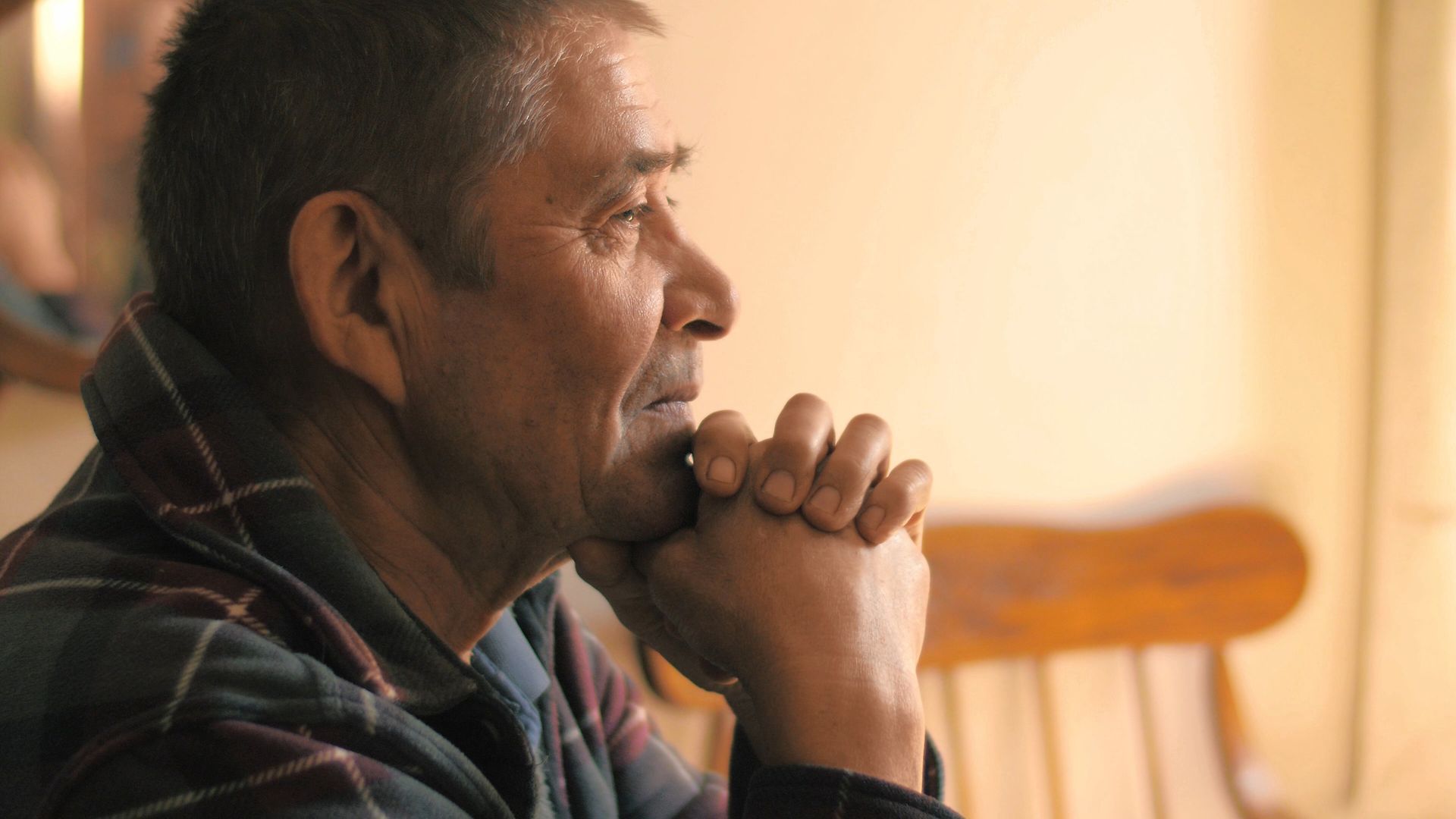
Grieving man sitting in chair with his hands folded and near his chin
September 2, 2026
After a loss, many people ask the universal question: “How long will my grief last?” This is especially true for a first loss. Some people ask for ways to hurry through the grieving process, but there is no shortcut. It is difficult to accept that one has little control, but with grief work, the sense of loss can slowly improve.
Grief support for Father's Day
June 4, 2026
For many, Father’s Day can be particularly challenging day after the loss of a father or paternal figure. This day often brings back waves of grief—even if you thought you had already worked through those feelings. Everyday moments, like passing by Father’s Day displays in a store or participating in one of your father’s favorite activities, can unexpectedly trigger emotions and memories. As you navigate this difficult day, it is essential to give yourself permission to grieve. Take time to reflect on the joyful moments and cherished traditions you shared with your father.
Mother's Day flowers on pink backdrop
April 30, 2026
For many, Mother’s Day can be a particularly challenging day after the loss of a mother or maternal figure. This day often brings back waves of grief—even if you thought you had already worked through those feelings. Everyday moments, like passing by Mother’s Day displays in a store or seeing flowers, can unexpectedly trigger emotions and memories. As you navigate this difficult day, it is essential to give yourself permission to grieve. Take time to reflect on the joyful moments and cherished traditions you shared with your mother.
March 24, 2026
Marla Sowers was never defined by titles though she held many. A pianist and Miss Morehead State University, a valedictorian, a beautiful singer, and an excellent writer, she carried the practical wisdom of her farming family into everything she did. As a public school elementary music teacher, Marla shaped hearts by inviting students to see kindness as strength. When a dementia diagnosis altered the rhythm of her days, her husband Richard cared for her at home and then with the help of an assisted living facility for as long as he could. After several years, the facility referred her to Bluegrass Care Navigators (BCN) for hospice services.
Small red hearts on blue background. Dating after loss.
February 6, 2026
Losing a spouse or partner is an experience that can reshape every aspect of daily life, including how you connect with others. As you navigate the journey of grief and healing, you may find yourself wondering if—and when—dating might feel right for you.
Mother and daughter discussing grief on front porch.
January 7, 2026
Build a memory box Use a cardboard box and decorate all the sides with markers or paint, drawing memories, messages or pictures in memory of your loved one. Place items like mementos of special times or add notes or drawings for your loved one. Have a balloon release ceremony Choose a special time, like your loved one’s birthday or anniversary for the ceremony. Pick a place like a park, beach, field or burial site, to release the balloons. Use helium-filled balloons and have family members write words of remembrance on them. You can talk about how loss and change are a natural part of life, play music or read verses as the balloons are released. Plant a tree or flowers Tending to a growing plant is a symbol of an ongoing relationship and provides many chances to grieve a loss. The life cycle can help you reflect on the memory of your loved one. Read a children's book about grief There are many age-specific children’s books that address grief. Books are a great way to help children open up and begin sharing feelings after a loss. Create memory pages Use fun scrapbooking paper and include Information about your loved one, such as their name, birthday, date of death, favorite food or activities, words to describe them, or things they enjoyed. Phrases like "I remember you when..." or ''I feel closer to you when..." can help provide inspiration. Draw with sidewalk chalk art Decorate your sidewalk or driveway with pictures or words honoring your loved one. Creativity is a great way to help express your feelings and emotions. Make a bracelet Use a variety of beads with different colors, shapes and letters. Pick out beads that represent a special memory or detail about your loved one. Decorate a jar or bottle Apply paint, decoupage or other materials to a jar or a bottle. You can write messages and place them inside the bottle. These messages can be something that you did not get a chance to say, something that you wish you had done or said differently, a favorite memory, or a life update. Alternatively, you may wish to place a small candle or light inside and use it at times you wish to remember your loved one. Utilize a journal You can use a journal to write about or draw special memories of your loved one. Add photos or mementos to make it feel special. Make a playlist Create a list of your loved one’s favorite songs. Listen to this when you want to think about them. Recreate a favorite recipe Prepare a meal or dessert that your loved one enjoyed or made frequently. While you are making it reminisce about memories associated with the food and favorites that you enjoyed together. Our grief care services are for anyone in the community who has experienced the loss of a loved one. Discover how our team can help you and your family by contacting us through our website or calling 855.492.0812 .
Women grieving
January 7, 2026
1. Reflect and remember Relive experiences in your thoughts. Allow the details and the emotions that come with them to be fully expressed. Explore memories as they come up. Trust that your system is bringing up these thoughts as part of your healing process. The repetition of painful memories helps flush out the strong emotions attached to them. 2. Share stories Talking about your loss provides a great deal of release. You may need to tell the same stories over and over as part of your healing. Support groups provide a place where you have the opportunity to be heard and can continue to talk about your grief in a supportive environment. 3. Write it down Keeping a journal is not for everyone, but it can be a powerful tool for healing. Writing about feelings and events can help you to identify emotions. Words help constructively channel these emotions and show a record of your progress. 4. Don’t be afraid to cry Tears can relieve a lot of pressure and tension. Learn to trust your body’s need to cry or not. Individuals grieve differently. Tears are not a sign of weakness and do not mean that your emotions are out of control. 5. Make space for your loss People commonly fall out of their routines after the loss of a loved one. Because of this, they may feel they have too much unstructured time in which to grieve. It is OK to take time to sit with a loss. Other days, you may feel the need to be as busy as possible. Make time to create quite moments to work through your feelings. Respecting your needs for healing and creating opportunities to grieve is important. 6. Take care of yourself Do your best to nourish your body and rest. Get outside and enjoy the fresh air. Exercise can release a surprising amount of tension, anger and frustration. It is important to make self-care a priority. Our grief care services are for anyone in the community who has experienced the loss of a loved one. Discover how our team can help you and your family by contacting us through our website or calling 855.492.0812 .
Show More